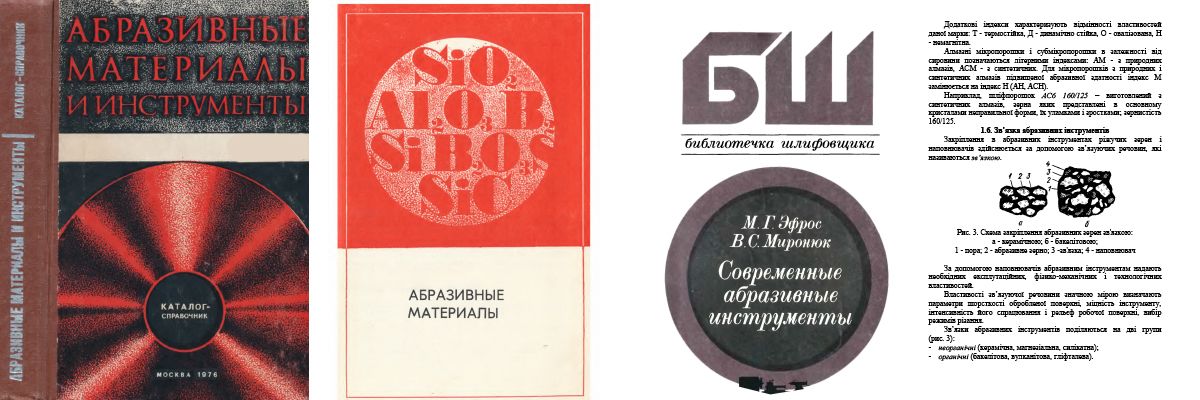
Reference literature on the topic of abrasive materials and tools, various years and editions.
1. Methodological guidelines for teaching practice at the Department of “Technology of Structural Materials and Materials Science” “Grinding Machines and Abrasive Tools”.
Kyiv 2020. 56 pages.
The methodological manual is compiled in accordance with the working program of educational practice in the discipline "Technology of structural materials and materials science", current state standards and current methods of conducting practical classes in the section "Grinding". Technical terms and information materials from literary sources are presented in translation into Ukrainian with appropriate references.
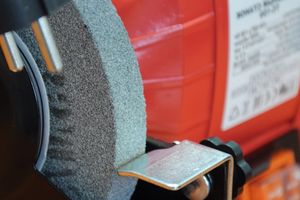
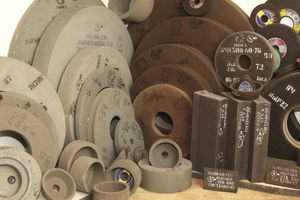
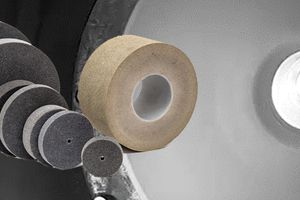
The manual provides: the essence and purpose of the grinding process; classification of grinding machines and abrasive tools; characteristics of abrasive materials.
2. Modern abrasive tools.
M.G. Efros and V.S. Mironyuk. 1987. 159 pages.
3. Abrasive materials and tools.
Catalog-reference. 1976. 398 pages.
Catalog-reference "Abrasive materials and tools" developed by the All-Union Research Institute of Abrasives and Grinding (VNDIASH).
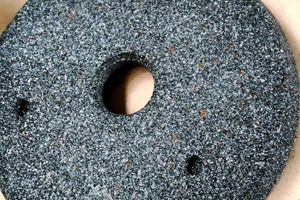
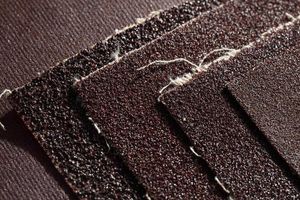
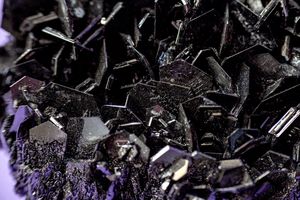
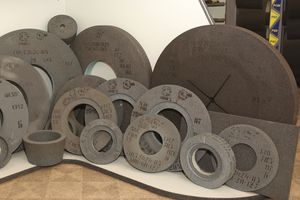
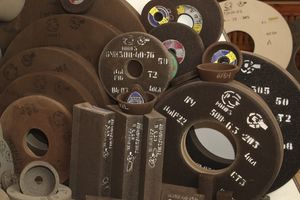
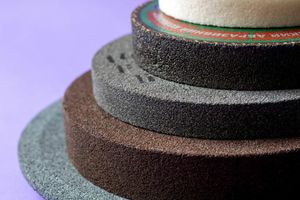
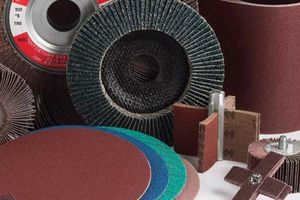
Abrasive materials include such natural and artificial materials, the main components of which are represented by minerals of high hardness. In modern abrasive processing, the concept of "abrasives" covers a variety of materials (used in the form of grains and powders in free form or in the form of tools made from them), while not only high-hardness materials are used, but also various "soft" materials (alumina, crocus, chromium oxide, graphite, tripel, pumice, etc.)
Abrasives also include metal chips, which are grains of various hard alloys, bleached cast iron, etc.
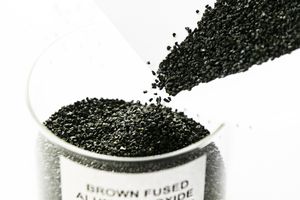
Artificial abrasive materials are characterized by greater stability of physical and mechanical properties compared to natural ones; they have become widespread in industry, sharply limiting the use of natural abrasive materials, and in some cases replacing them completely.