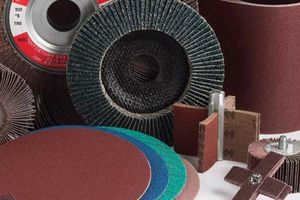
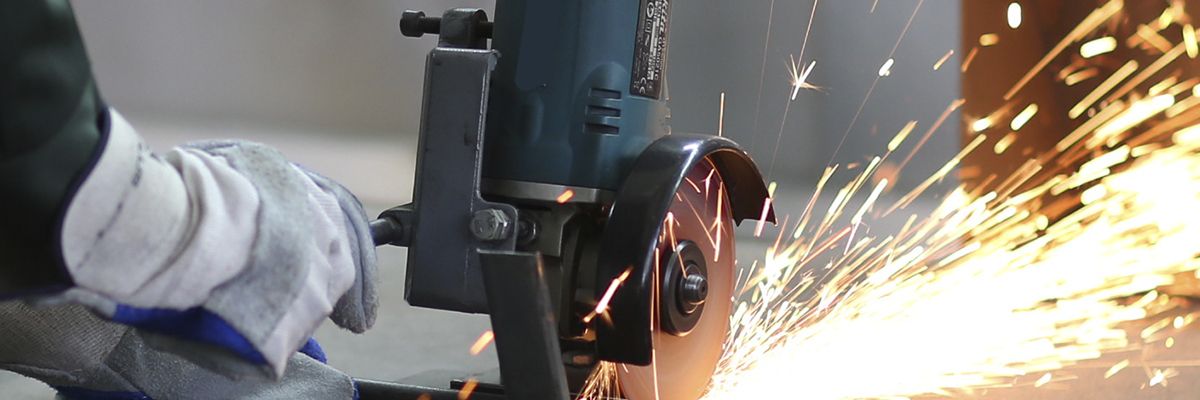
Abrasive tools are widely used in industry, construction and everyday life: wherever mechanical processing and cutting of various materials and products is required. At the same time, during operation, they rotate at high speeds, and therefore pose a serious danger to both those who work with them and those nearby.
The main dangerous factors that can pose a threat when using abrasive tools include:
- body contact with the rotating abrasive tool;
- injuries from splinters when working with the abrasive tool;
- material particles, sparks, fumes and dust as by-products of grinding;
- noise;
- vibration.
To ensure safe operation of abrasive tools, follow the established safety precautions and the recommendations below.
1. Use only abrasive tools that comply with safety standards.
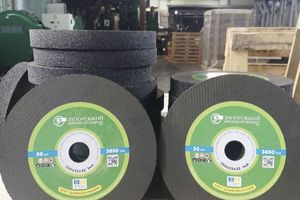
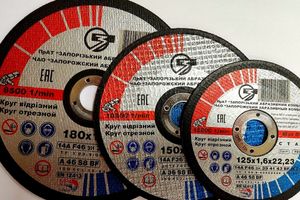
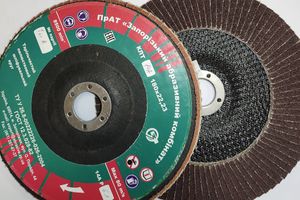
The fact that the manufacturer of the abrasive tool has complied with the safety requirements established to prevent risks to the end user is evidenced by the presence of the relevant European EN standard in the marking of such a tool, in particular:
- EN 12413 for abrasive tools on various bonds (ceramic, bakelite, etc.);
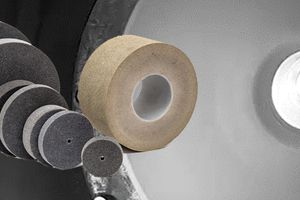
- EN 13743 for special tools on a flexible base (discs on a flexible base of paper, fabric or fiber, flap grinding wheels).
Never use a tool if it cannot be properly identified.
2. Read the instructions for the tool
Before using an abrasive tool, carefully read the manufacturer's instructions. Following the recommendations for the operation of the tool can prevent accidents, therefore:
- always follow the instructions for use provided by the suppliers of abrasive tools and equipment;
- check the abrasive tool or its packaging for warnings or other safety information;
- when installing the abrasive tool, follow the supplier's instructions on the marking, such as the direction of movement or the location of attachment.
3. Use personal protective equipment (PPE).
Before starting work, be sure to wear:
- safety glasses to protect your eyes from dust and debris (the use of eye protection is recommended for any machine grinding process);
- a mask or respirator to avoid inhaling abrasive dust (the use of respirators is recommended for all dry grinding operations, even if systems for removing polluting waste are installed);
- gloves to protect your skin from mechanical damage (gloves and appropriate clothing are recommended in all cases where the workpiece or hand tool is held by hand).
4. Check the tool before starting work
Make sure that the abrasive tool is suitable for the intended operation. Before installation, check it for defects and damage (cracks, deformations, etc.). Never use a partially or completely damaged tool or faulty equipment.
5. Follow the rules for setting up and operating equipment with abrasive tools.
There are general requirements for setting up and rules for the safe operation of equipment with abrasive tools. Here are the main ones:
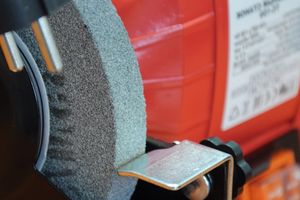
- do not allow accidental start-up of the equipment before installing or replacing the abrasive tool (if necessary, disconnect the machine from the power source);
- make sure that when installing the abrasive tool, appropriate clamping flanges are used, that they are not deformed and do not have foreign contaminants (for example, chips or slag);
- do not tighten the fastening of the abrasive tool too tightly and never use an impact tool when installing it;
- make sure that the workpiece is secured and properly held;
- never remove the protective devices installed on the equipment, and before starting it, be sure to make sure that these devices are in working order, properly secured and provide protection for the operator from flying sparks and debris;
- do not use the abrasive tool near flammable materials;
- before starting to operate the abrasive tool after its installation, conduct a test run at operating speed with the protective device for at least 30 seconds, moving away from the equipment at a safe distance;
- do not work with the side (end) surfaces of the tool if it is not intended for this type of work;
- never exceed the maximum permissible operating speed specified by the tool manufacturer;
- turn off the supply of lubricating and cooling liquid and drain it from the work area before stopping the equipment;
- let the abrasive tool stop naturally, without applying force to its surface;
- before moving away from the equipment and leaving it unattended after turning it off, make sure that the abrasive tool has completely stopped.
6. Keep the work area clean.
Remove waste and dust in a timely manner to prevent their accumulation, as cleanliness in the work area is important for safety. In particular, grinding by-products can cause lung damage, so all dry grinding operations must be equipped with the necessary means of removing polluting waste.
7. Store abrasive tools properly.
One of the reasons for the abrasive wheel breaking during operation is the violation of storage rules, because the abrasive tool is sensitive to shock loads and vibrations, and its strength depends on changes in temperature and humidity. To avoid damage to the abrasive tool, follow the following recommendations:
- store the abrasive tool in dry conditions (humidity in the room should not exceed 65%) and at a positive temperature (the tool on the ties should be stored at a temperature not lower than +5 °C, the tool on a flexible base - not lower than +18 °C);
- make sure that the abrasive tool is properly protected and strengthened to avoid damage and deformation;
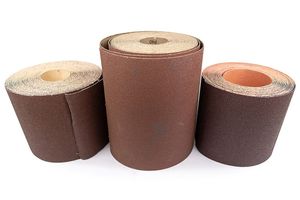
- abrasive belts during storage should hang on a shaft or pin with a diameter of at least 50 mm;
- never use an abrasive tool after the expiration date indicated on the label (in particular, for tools with organic bonds - bakelite, glyphthalate, polyester, etc., it cannot exceed three years).
By following these simple but important tips, you can ensure safety not only for yourself, but also for others when working with abrasive tools. Remember that safety should always come first!